12 of the Oldest Places You Can Still See in London Today
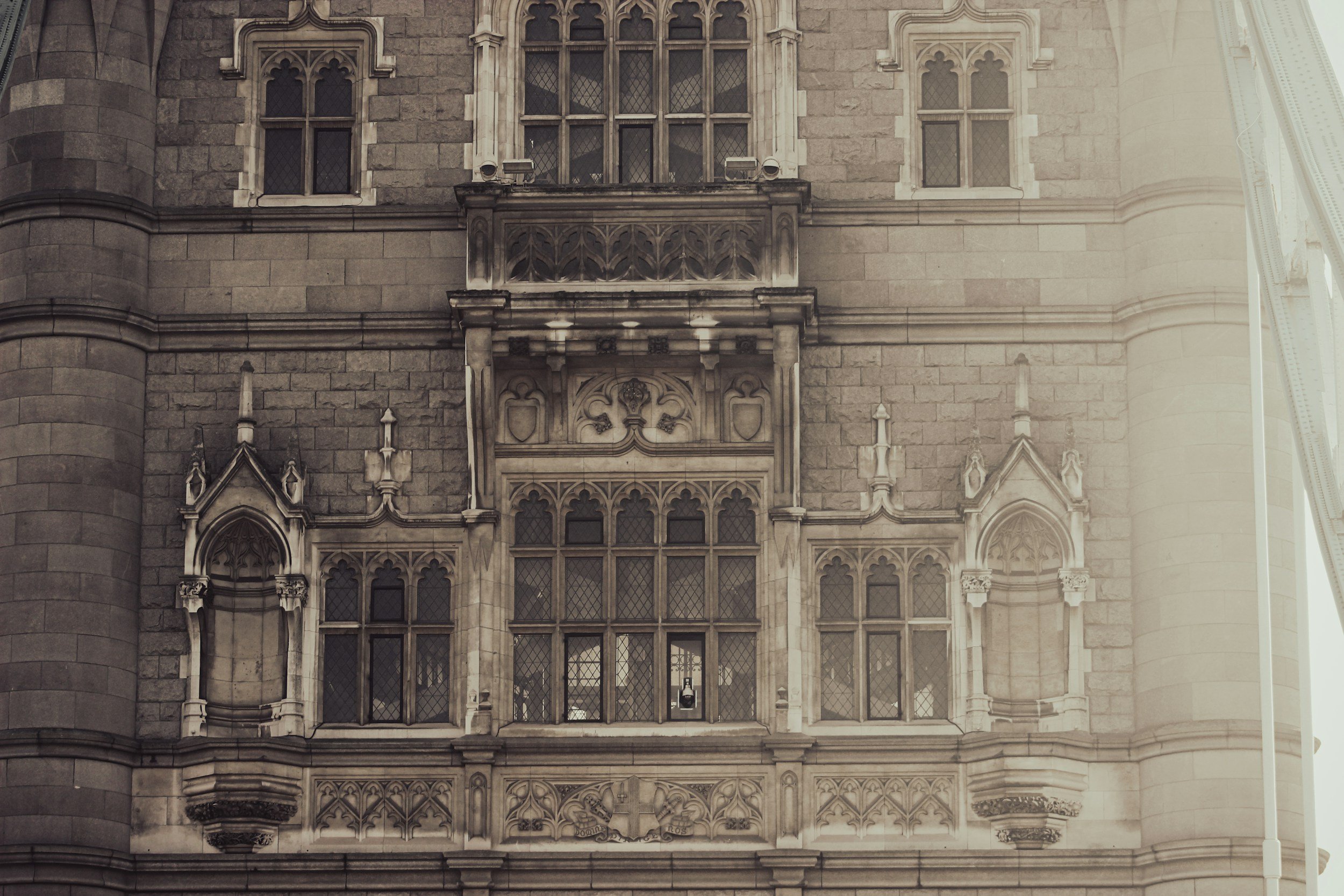
London is a city that constantly reinvents itself.
Glass skyscrapers rise above medieval streets. Ancient ruins sit beside modern office buildings. New developments appear every year, yet traces of nearly two thousand years of history still survive throughout the capital.
What makes London remarkable isn't just its age.
It's the fact that so much of its past remains visible.
Despite fires, wars, invasions, redevelopment and centuries of urban growth, some extraordinary pieces of London's history can still be explored today.
From Roman ruins and Norman fortresses to medieval churches and historic halls, here are 12 of the oldest places you can still see in London today.
1. The London Wall
Long before London became the capital of England, it was the Roman city of Londinium.
Around the late 2nd century AD, the Romans built a defensive wall around the settlement to protect it from potential attacks.
Remarkably, sections of the wall still survive nearly 1,800 years later.
Some of the best-preserved stretches can be found near Tower Hill, the Barbican and the City of London.
Standing beside these ancient stones is one of the closest experiences you'll get to touching Roman London.
2. The Roman Amphitheatre
Hidden beneath Guildhall Yard are the remains of London's Roman amphitheatre.
Built around the 1st or 2nd century AD, it once hosted public entertainment, ceremonies and military displays.
While the full structure no longer survives, visitors can still see sections of the original foundations and learn about one of Roman London's most fascinating landmarks.
It's a reminder that Londinium was once a thriving Roman city with a population of tens of thousands.
3. The Temple of Mithras
One of the most important archaeological discoveries ever made in London is the Temple of Mithras.
Originally built during the Roman period, the temple was dedicated to Mithras, a deity particularly popular among Roman soldiers and merchants.
Today, visitors can view reconstructed sections alongside original remains in the heart of the City of London.
It's one of the best places to connect with London's Roman past.
4. The Tower of London
Few landmarks represent London's history more powerfully than the Tower of London.
Founded by William the Conqueror after the Norman Conquest of 1066, the White Tower was completed in the late 11th century and remains one of the best-preserved Norman buildings in Europe.
Over the centuries, the Tower has served as a royal residence, fortress, prison, armoury and treasury.
Nearly a thousand years after its construction, it remains one of London's most iconic sights.
5. Westminster Hall
Part of the Palace of Westminster, Westminster Hall dates back to 1097.
It is the oldest surviving part of the parliamentary estate and has witnessed some of the most significant events in British history.
Coronations, royal ceremonies, state trials and historic speeches have all taken place within its walls.
Its magnificent hammerbeam roof, added during the 14th century, remains one of the masterpieces of medieval English architecture.
6. St Bartholomew the Great
Founded in 1123, St Bartholomew the Great is often considered London's oldest surviving parish church.
Hidden near Smithfield Market, it feels remarkably removed from the modern city that surrounds it.
Its Norman architecture, ancient stonework and peaceful atmosphere make it one of London's most underrated historic treasures.
Walking through its nave feels like stepping back nearly nine centuries.
7. The Jewel Tower
Many visitors walk past the Jewel Tower without realising its significance.
Built around 1365, it is one of the very few surviving buildings from the medieval Palace of Westminster.
Originally constructed to store royal treasures and important documents, the tower has survived centuries of political change and urban development.
Today, it offers a rare glimpse into medieval London.
8. The Chapel of St John at the Tower of London
Hidden within the White Tower is one of London's oldest surviving Norman interiors.
The Chapel of St John dates from the late 11th century and remains remarkably well preserved.
Its simple arches and stone columns reflect the architectural style introduced to England following the Norman Conquest.
Many visitors focus on the Crown Jewels and overlook this extraordinary piece of history.
Yet it is one of the oldest surviving church interiors in London.
9. Winchester Palace Ruins
During the Middle Ages, Winchester Palace was one of the most important residences in London.
Located in Southwark, it served as the London residence of the powerful Bishops of Winchester.
Although much of the palace disappeared centuries ago, the surviving rose window and fragments of the Great Hall remain impressive.
These ruins provide a fascinating glimpse into medieval London south of the Thames.
10. St John's Gate
Standing in Clerkenwell, St John's Gate dates back to the early 16th century and once formed part of the Priory of the Knights Hospitaller.
Today, it remains one of London's most striking surviving medieval landmarks.
Its distinctive appearance often surprises visitors who stumble upon it while exploring the surrounding streets.
It's a reminder that London's medieval past still survives in unexpected places.
11. The Charterhouse
The Charterhouse traces its origins back to the 14th century.
Over the centuries, it has served as a monastery, private mansion, boys' school and almshouse.
Unlike many historic sites, the Charterhouse feels lived-in rather than preserved behind glass.
Visitors can still explore parts of the historic complex and discover stories spanning hundreds of years.
12. All Hallows by the Tower
Often overshadowed by the nearby Tower of London, All Hallows by the Tower is one of the oldest churches in the capital.
Parts of the church date back to the 7th century, making it one of the oldest continuously used Christian sites in London.
Its history stretches across the Saxon, Norman, medieval and modern eras.
Few places in London offer such a direct connection to the city's earliest history.
Why So Little of Ancient London Survives
Considering London's age, many people are surprised that more ancient structures haven't survived.
The reality is that the city has been repeatedly reshaped by history.
Among the events that transformed London were:
The Norman Conquest
Medieval rebuilding
The Great Fire of London in 1666
Wartime bombing during the Second World War
Centuries of redevelopment
Each generation rebuilt parts of the city.
The fact that these landmarks still survive is remarkable.
The Best Area for History Lovers
If you're interested in seeing several centuries of London history in a single day, few places compare to the City of London.
Within a relatively small area, you'll find:
Roman ruins
Norman landmarks
Medieval churches
Tudor remnants
Victorian architecture
Modern skyscrapers
Few cities display their history so visibly within such a compact space.
Final Thoughts
London's history isn't confined to museums.
It's woven into the streets, churches, ruins and landmarks that still stand today.
Some of these places were already ancient when Shakespeare walked the city.
Others have survived fires, wars, political upheaval and centuries of change.
Yet they remain part of everyday life in modern London.
The next time you're exploring the capital, look beyond the newest buildings.
You might be standing beside something that has witnessed nearly two thousand years of history.
Looking for More Hidden History in London?
From Roman ruins and medieval churches to forgotten stories and historic neighbourhoods, discover more London guides on LondonYaar.com. And follow @rohan.londonyaar for more ways to uncover the city's remarkable past.